A standard TVA transmission line easement can render 10 to 30 percent of a parcel effectively unbuildable; no structures, no septic systems, no significant grading inside the corridor. That single encumbrance, recorded against the land decades before the current seller bought it, transfers to you at closing whether you noticed it on the title commitment or not.
Easements are among the most consequential things attached to a Tennessee parcel and among the most overlooked by first-time rural buyers. Some are recorded; some aren't. Some are visible on the ground; some only show up when a neighbor finally invokes one. Before you sign anything, you need to know what easements exist on the parcel you are considering and what they prevent you from doing with it.
Types of Easements You Will Encounter in Tennessee
Tennessee law recognizes two structural categories of easements. An easement appurtenant involves two neighboring parcels: the dominant tenement (the property that benefits) and the servient tenement (the property that is burdened). This type runs with the land, meaning it transfers automatically with ownership, regardless of whether a new buyer is aware of it. An easement in gross is a personal right not tied to adjacent land, such as a utility company's right to run power lines across your property.
Within those categories, Tennessee buyers will encounter several common subtypes:
- Express easements: Created by a written, recorded deed or agreement. These are the most clearly enforceable and the easiest to find.
- Implied easements: Arise from longstanding, visible use at the time a parcel is divided, even without written documentation.
- Easements by necessity: Court-ordered under TCA Section 54-14-102 for landlocked parcels that have no access to a public road. The easement is limited to 25 feet wide (15 feet in metropolitan counties), and the party granted access is responsible for building and maintaining the road.
- Prescriptive easements: Arise from long, open, continuous, and adverse use by someone other than the owner, without the owner's permission, for at least 20 years. These may not appear in any recorded document, making them especially dangerous for buyers.
- Utility easements: Allow power companies, water authorities, or telecoms to install and maintain infrastructure across private land. TVA transmission line easements prohibit all structures, septic systems, and significant grading within the corridor.
- Conservation easements: Voluntary, permanent agreements that restrict development to protect natural, agricultural, or scenic resources, governed by Tennessee's Conservation Easement Act of 1981 (TCA Sections 66-9-301 through 66-9-309). These run with the land permanently and transfer to every future owner.
How Easements Are Recorded and Where to Find Them
Tennessee has 95 counties, each with a Register of Deeds office where real property instruments, including easement deeds, are recorded as public records. Under TCA Sections 66-26-101 and 66-26-102, unrecorded easements can still bind parties with actual notice, but recording provides public notice and protects priority against later purchasers.
Most Tennessee counties now offer online search portals for deed records, including Hamilton, Knox, Davidson, Shelby, and Blount counties. For smaller counties or older records, the Tennessee State Library and Archives holds microfilmed deed records for every county in the state.
The catch: the Register of Deeds is a starting point, not a complete picture. Prescriptive and implied easements may not appear in any recorded document. A full title search conducted by a licensed title company or real estate attorney, reaching back at least 40 years, is the floor for adequate due diligence. The title examiner will search not only recorded easements but also judgment liens, probate records, and federal tax liens that can affect your ownership.
The Risks That Catch Rural Buyers Off Guard
Several easement scenarios are especially common in Tennessee's rural counties:
Landlocked parcels. In East Tennessee's hill and mountain counties, it is not unusual to find older parcels with no recorded road access. If the prior owner reached the land through an informal agreement that was never documented, you may inherit a parcel with no legal right to cross neighboring land. Pursuing an easement by necessity through Tennessee courts takes time and money, often $5,000 to $25,000 or more in attorney fees, plus the cost of constructing the road.
Prescriptive easements. A neighbor who has openly used a path or road across your future property for 20 or more years may have established a legal right you cannot extinguish. Tennessee courts require proof of all six elements (continuous use, adverse character, claim of right, duration, visibility, and owner's knowledge) by "clear and positive proof." A neighbor can even combine their use with a prior owner's use to satisfy the 20-year threshold, a principle called tacking. The seller may be completely unaware this right exists.
TVA and utility corridors. Rural Tennessee has extensive TVA transmission infrastructure. A power line easement corridor can cut across a parcel and prohibit all building, septic systems, retaining walls, and significant grading within that strip. Depending on the corridor width, this can render 10 to 30 percent or more of a parcel effectively unbuildable.
Conservation easements. If a previous owner donated a conservation easement to The Land Trust for Tennessee, TennGreen Land Conservancy, or a federal program such as USDA's Agricultural Conservation Easement Program, you will take the property subject to all of those permanent restrictions. Development limits, subdivision prohibitions, and required land management practices all transfer to you. Under TCA Section 66-9-308, the assessed value must be reduced to reflect the diminution in market value, which can lower your property tax burden but also limits what you can do with the land.
Scope disputes and maintenance conflicts. Private road easements shared among multiple parcels frequently lack written cost-sharing agreements. Disagreements over who pays for gravel, grading, and repairs are among the most common rural land disputes in Tennessee. Similarly, an easement holder may attempt to use a right-of-way beyond its original purpose, such as routing commercial traffic over an access easement granted for residential use. Courts look closely at the original intent of the easement grant.
Due Diligence: What to Do Before You Close
Order a full title search. Engage a licensed Tennessee title company or real estate attorney to examine the chain of title going back at least 40 years. Do not rely on the Register of Deeds search alone. Title insurance is strongly recommended for rural parcels, typically $500 to $1,500 based on the purchase price, and it covers you if an undisclosed easement surfaces after closing.
Get a boundary survey. For parcels over five acres, hire a Tennessee licensed land surveyor to confirm boundaries and identify encroachments. Ask the surveyor to flag the location and width of all known easements on the survey plat. Survey costs typically run $300 to $1,500 depending on acreage and terrain.
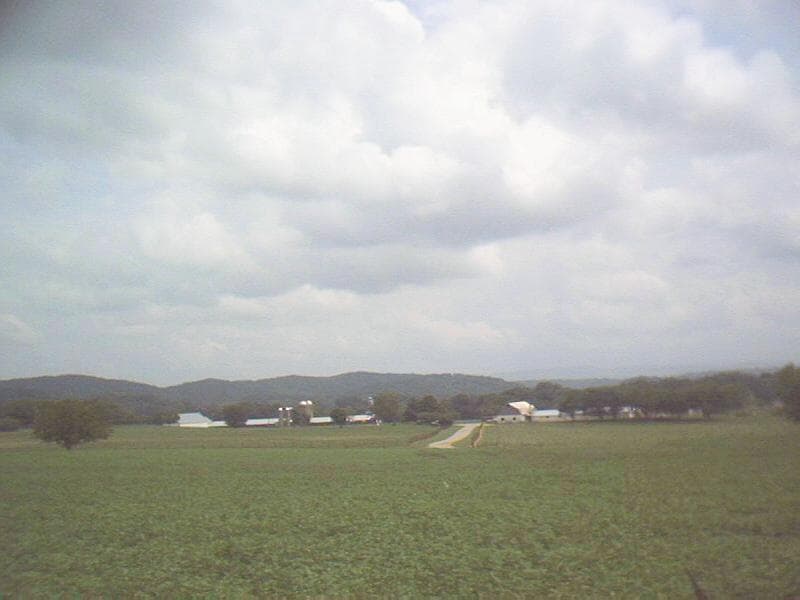
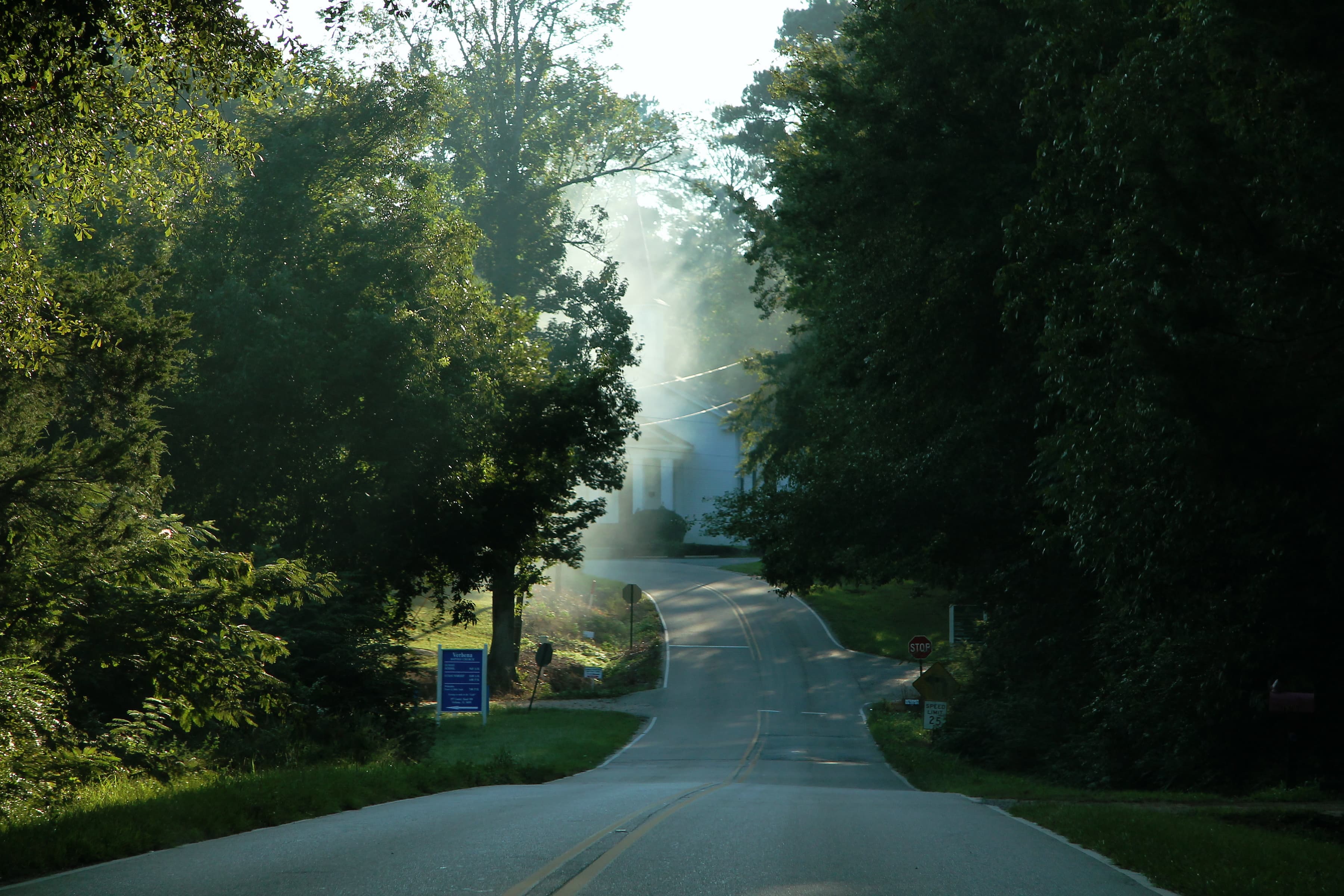
Walk the property. Before signing a contract, visit the land and look for power line towers or markers, pipeline markers, visible paths or roads used by neighboring landowners, and fences that straddle apparent boundary lines. These are the physical signs of easements that may not appear in any document.
Verify road access. Confirm that the parcel has deeded access to a public road, either by county road frontage, a recorded easement, or a documented right-of-way. If access is via a shared private road, read the written easement carefully. Confirm it covers your intended use and that maintenance obligations are clear. Ask the seller directly whether anyone has ever disputed access or whether neighboring parcels also use the same road.
Contact TVA and local utilities. Call TVA or your local electric cooperative to confirm whether transmission or distribution line easements cross the parcel. Septic systems cannot be installed within utility easement corridors, so any easement near a planned homesite deserves close attention.
Have a Tennessee real estate attorney review your documents. Before closing on any rural parcel, have an attorney review the title report and all easement documents. Basic attorney review typically costs $300 to $800; complex easement analysis or litigation preparation costs more, but it is far less expensive than the disputes that arise from skipping this step.
The threshold question with easement worry isn't "how do I draft one?" It's "do I need one at all?" LandWise's road-access analysis returns whether your boundary touches a public road (touchesRoad), the distance in meters to the nearest road, and a landlocked flag if the parcel is more than ~500m from any road or has no road within 15m of its boundary. It also returns distance to the nearest power line. If touchesRoad is false, easement negotiation is the next conversation; if it's true and the power line is within 100m, you've ruled out the two most expensive easement scenarios before you've paid for a title search. LandWise does not draft easements, assess legal validity, or replace a title attorney; for the conservation easement and prescriptive easement questions, the title search and a Tennessee real estate attorney still do that work. For related context, see our guides on getting power to rural Tennessee property and Tennessee zoning in unzoned counties.
What we'd actually do first
Walk the parcel before you spend a dollar on title work. The physical signs (transmission towers, painted pipeline markers, gravel ruts where a neighbor clearly drives, fence lines that don't match the apparent boundary) tell you which easement categories you actually need to investigate. A two-hour walk often reframes the entire deal: the parcel that looked landlocked has a recorded ROW the seller forgot about, or the parcel that looked clean turns out to have a 100-foot TVA strip running diagonally through the only flat building site.
After the walk, order the title search before the survey. Recorded easements show up in the title commitment with width and location references that the surveyor needs to plot accurately, and you don't want to pay for a second survey trip after the title work flushes out something the first survey missed.