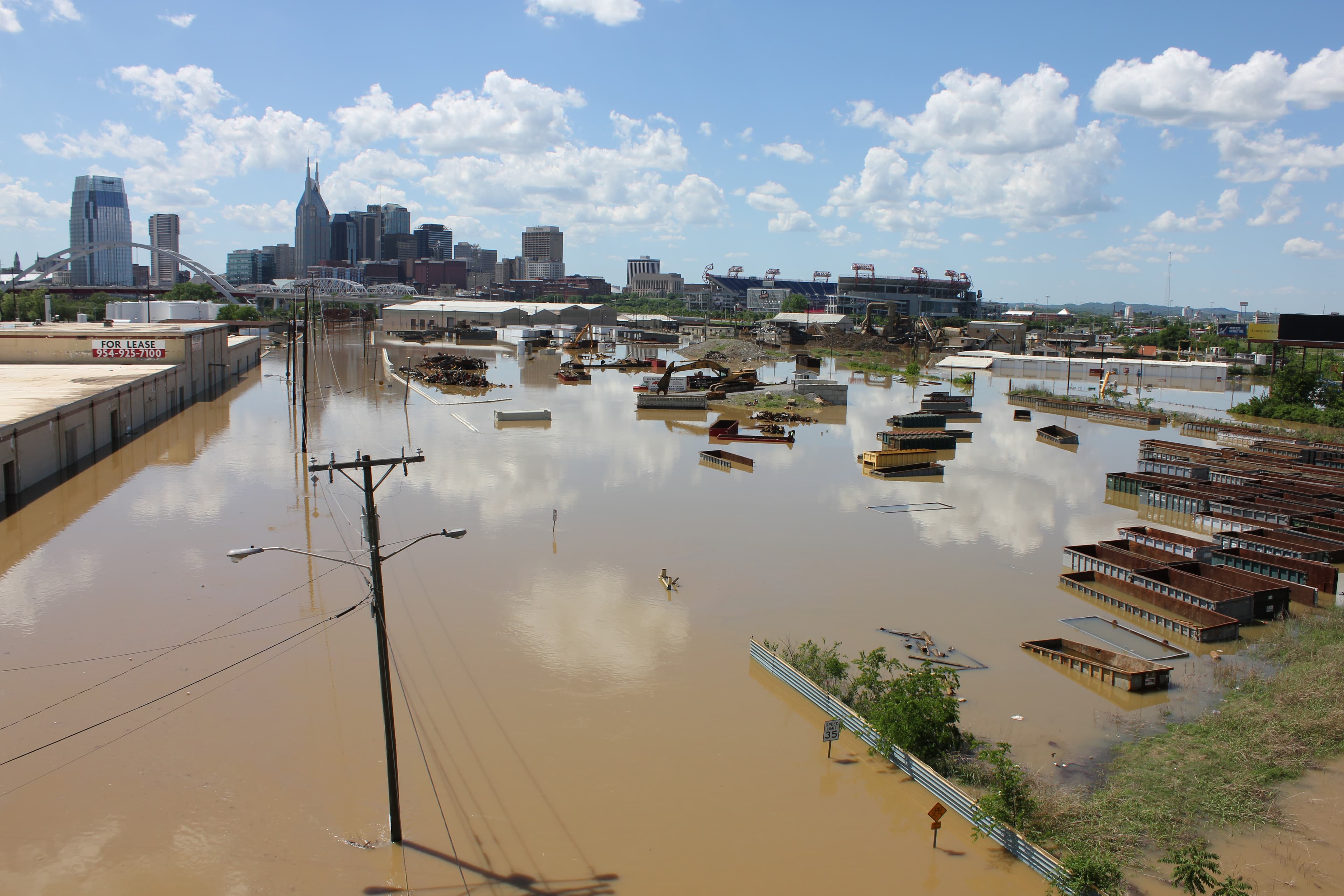
Nashville's May 2010 flood put parts of downtown under 12 feet of water and caused over $2 billion in private property damage; many of the worst-hit homes were just outside the FEMA 100-year line, in zones their owners thought were safe. Tennessee flood maps tell you something useful about a parcel, but the boundary on the map is not the boundary of risk, and the rules attached to each zone change what you can build and what your insurance will cost.
What Are FEMA Flood Zones?
FEMA (the Federal Emergency Management Agency) maps flood risk across the United States through the National Flood Hazard Layer (NFHL). These maps divide land into zones based on the probability of flooding.
The most common designations you'll encounter in Tennessee include:
- Zone A / AE: High-risk areas with a 1% annual chance of flooding (the "100-year floodplain"). Zone AE includes base flood elevations.
- Zone X (shaded): Moderate risk, with a 0.2% annual chance of flooding (the "500-year floodplain").
- Zone X (unshaded): Minimal flood risk, outside both the 100- and 500-year floodplains.
- Zone AO: Areas with shallow flooding, typically sheet flow on sloped terrain.
Why Flood Zones Matter for Tennessee Land Buyers
Insurance Costs
Properties in Zone A or AE typically require flood insurance if you have a federally-backed mortgage. Annual premiums can range from $700 to over $3,000 depending on the property's elevation relative to the base flood elevation.
Building Restrictions
Building in a flood zone doesn't mean you can't build, but it does mean additional requirements:
- Structures must be elevated above the Base Flood Elevation (BFE)
- Fill material may be needed to raise the building pad
- Specific foundation types may be required
- Local floodplain development permits are needed
Property Value Impact
Flood zone designation can reduce property value by 5-15% compared to similar non-flood-zone parcels. However, properties with partial flood zone coverage may still be highly buildable if the developable area sits outside the floodplain.
Tennessee's Unique Flood Risks
Tennessee's geography creates distinct flood patterns across the state:
East Tennessee: Mountain streams and rivers like the Tennessee River create narrow, deep floodplains. Flash flooding is a significant risk in valley areas.
Middle Tennessee: The Cumberland River basin and its tributaries produce broad floodplains. Nashville's 2010 flood demonstrated the devastating potential in this region.
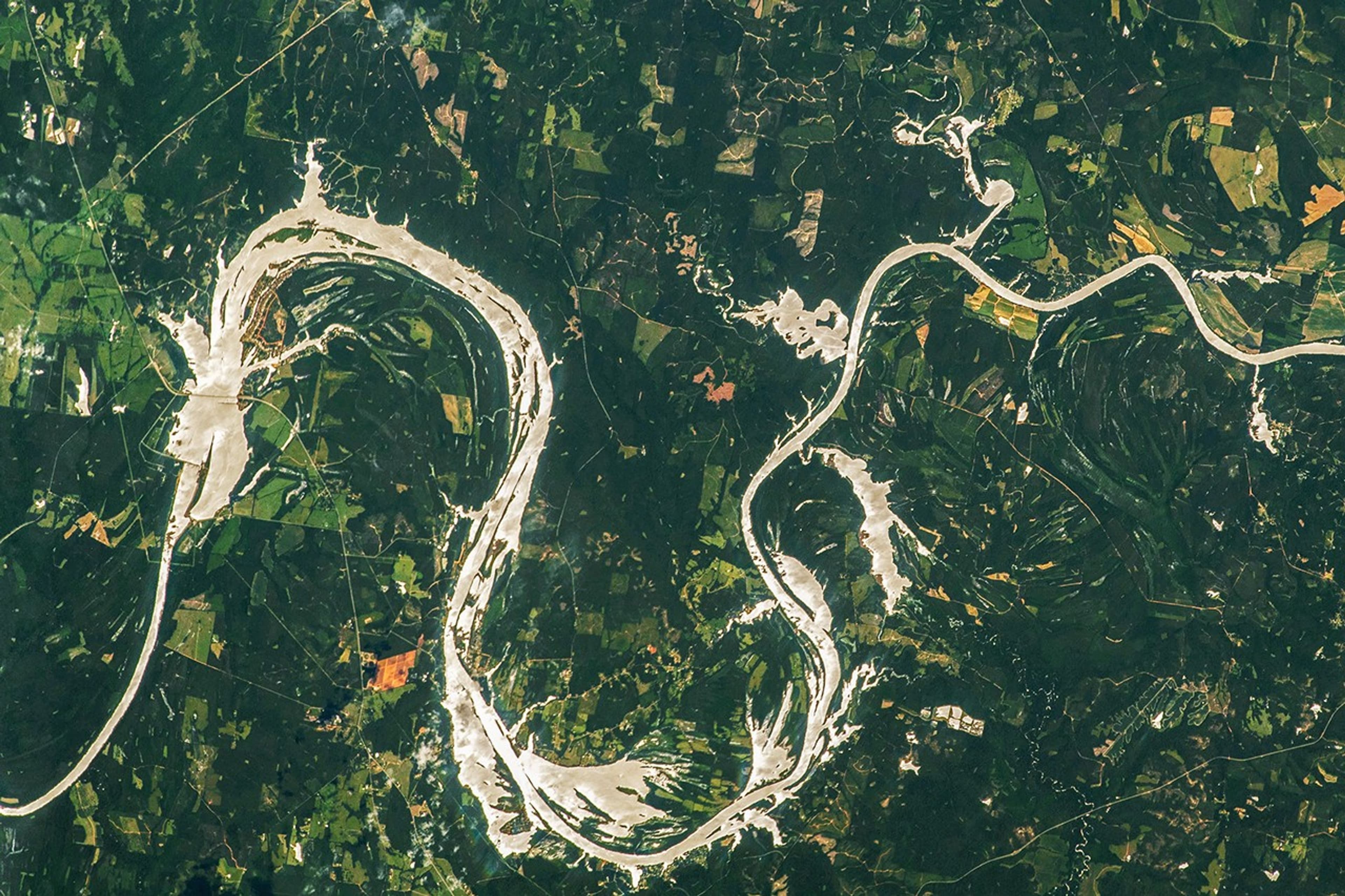
West Tennessee: The Mississippi River floodplain dominates, with extensive areas in Zones A and AE. The Hatchie River corridor also presents significant flood risk.
How to Check Flood Zone Status
Before making an offer on Tennessee land, verify the flood zone designation through these sources:
- FEMA Flood Map Service Center: the official source for current Flood Insurance Rate Maps (FIRMs)
- Tennessee's floodplain mapping program: state-level resources and contacts
- Local floodplain administrator: the county or municipal official who issues development permits in special flood hazard areas
If you're worried a parcel is unbuildable because it shows up red on the FEMA viewer, the more useful question is which portion is in the floodplain. LandWise intersects the parcel boundary with NFHL data and reports the percentage in each FEMA zone, the SFHA designation, the FEMA panel ID, and base flood elevation where available, so you can see whether the developable area is even affected before you write an offer. If you're buying along a steep stream, also pull the slope report for the same parcel; flash-flood risk and grade often correlate.
What we'd actually do first
Before anything else, find the building site (not the parcel boundary) on the FEMA Flood Map Service Center and read the zone where you'd actually pour the foundation. If any part of the developable footprint is in Zone A or AE, get a flood insurance quote from a private carrier before you remove the inspection contingency; the federally-backed NFIP rate is rarely the cheapest, and a $2,400/year premium changes the carrying-cost math on any rental or short-term-stay plan. If the parcel is partially in a floodplain but the buildable area is in Zone X, that's often the bargain other buyers walk away from.