
A perc rate slower than 105 minutes per inch automatically rules out a conventional septic system in Tennessee, and on a Cedar Glade parcel in Rutherford County the rate can be effectively infinite because there's only 12 inches of soil over solid limestone. Tennessee's three soil regions each fail in their own way: shallow bedrock in the east, expansive clay over limestone in the middle, perched water tables in the west.
Why Soil Matters for Septic Systems
A conventional septic system works by dispersing treated wastewater into a drain field, where the surrounding soil filters out pathogens and nutrients before they reach groundwater. This process only works if the soil has the right physical properties: it must absorb water at a measured rate, have enough depth for treatment to occur, and remain unsaturated year-round.
Tennessee regulations, managed by the Tennessee Department of Environment and Conservation (TDEC) under Rule 0400-48-01, require a percolation test (perc test) and soil evaluation before any septic system can be permitted. The percolation rate, measured in minutes per inch (mpi), determines which system type your land qualifies for:
- 10 to 75 mpi: Suitable for a conventional soil absorption system
- 75 to 105 mpi: Marginal; may require an alternative system after mandatory additional testing
- Slower than 105 mpi: Conventional systems are not permitted; only engineered alternatives qualify
But the percolation rate is just one piece. The soil evaluator also examines soil color, texture, structure, and mottling (signs of seasonal wetness) to build a complete picture of feasibility. Buying land without this evaluation is buying a problem you cannot see.
Tennessee's Major Soil Regions
Tennessee spans three distinct physiographic regions, each with characteristic soils that affect septic feasibility differently.
East Tennessee: Mountain and Ridge Soils
The Ridge and Valley region of East Tennessee features soils formed from limestone and shale parent material. These are often deep, well-structured soils with silt-loam and clay-loam textures. While many ridge soils drain reasonably well, valley soils can have high clay content and slow permeability. Limestone karst areas are common, bringing sinkholes and shallow bedrock that make septic installation challenging or impossible without engineered alternatives.
The Blue Ridge mountains and their foothills bring thin, rocky soils over bedrock. Shallow depth to bedrock is a frequent disqualifier for conventional systems in these areas.
Middle Tennessee: Limestone Basins and Cedar Glades
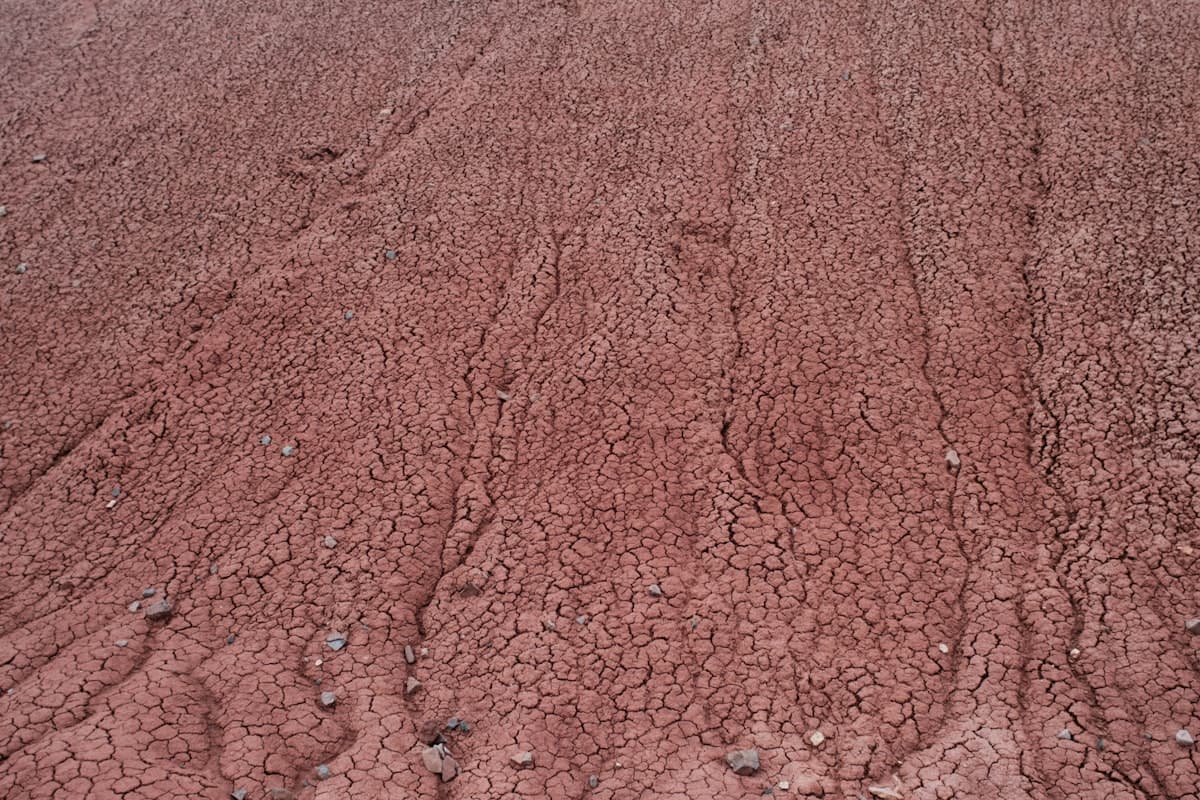
The Central Basin of Middle Tennessee sits atop a massive limestone dome. Soils here tend to be fertile and productive for agriculture, but they are often shallow over bedrock and sometimes feature impermeable clay subsoils. The Nashville Basin's famous "red clay" can create slow-draining conditions that push properties toward alternative systems. Cedar Glades, scattered across Rutherford, Wilson, and adjacent counties, have extremely thin soils over bedrock: in many cases, conventional septic is not feasible at all.
Williamson and Maury counties, popular with buyers seeking acreage near Nashville, have varied soil conditions. Even within a single parcel, you can encounter workable soils in one area and impermeable clay in another.
West Tennessee: Loess and High Water Tables
West Tennessee is blanketed by loess, a fine wind-deposited sediment with silty texture. On upland areas, loess soils can perc adequately. The real challenge in West Tennessee is the water table. In low-lying areas, soils remain saturated for much of the year, preventing effective wastewater treatment. High seasonal water tables are among the most common reasons for alternative system requirements in this region.
The Problem Soils: What Buyers Encounter Most
Across all three regions, certain soil conditions consistently cause trouble for buyers hoping to build on rural land.
Tight clay: Clay particles are tiny and pack densely, leaving little pore space for water movement. Soils dominated by expansive clay swell when wet and crack when dry, stressing system components over time. Percolation rates in heavy clay soils often exceed 105 mpi, ruling out conventional systems entirely.
Shallow bedrock: When soil depth to hard rock is less than 24 inches (the typical minimum for a conventional drain field), there is simply not enough soil to treat wastewater before it reaches bedrock fractures. In limestone karst areas, fractured bedrock can allow untreated sewage to move rapidly into groundwater. TDEC regulations prohibit conventional systems on sites with inadequate depth to limiting layers.
Seasonal high water table: Soil mottling, those rust-orange and gray blotches visible in freshly dug soil profiles, signals where groundwater sits during wet months. If the seasonal high water table is within 18 to 24 inches of the surface, wastewater cannot be adequately treated before reaching the saturated zone. West Tennessee buyers in particular should watch for this condition.
Steep slopes: Tennessee regulations restrict drain field installation on slopes exceeding certain gradients. On steep terrain, gravity pulls wastewater laterally before it can percolate down, risking surface breakout. This compounds the challenges already associated with thin mountain soils.
Septic System Options in Tennessee
When soil conditions are not ideal, Tennessee allows several alternative system types under TDEC's rules. Each comes with higher cost and complexity.
Conventional gravity system: The standard option when perc rates fall between 10 and 75 mpi. A septic tank connects to a gravity-fed drain field with perforated pipes in gravel trenches. This is the least expensive option, typically ranging from $3,500 to $8,500 installed, depending on home size and local labor rates.
Mound system: Required when high water tables, shallow soils, or shallow bedrock prevent conventional installation. Sand fill is mounded above the native soil to create the necessary treatment depth. Mound systems cost significantly more, often $10,000 to $20,000 installed, and require additional lot area. Not every property has enough flat, accessible space for a mound.
Low-pressure pipe (LPP) system: A pump distributes wastewater evenly through a pressurized network of small-diameter pipes across a larger drain field area. LPP works well for marginal soils where conventional gravity distribution would fail.
Aerobic treatment unit (ATU): These systems add an aeration step to treat wastewater more aggressively before dispersal. ATUs are suitable for sites where soil alone cannot provide adequate treatment. They require electricity, periodic maintenance contracts, and ongoing inspection by certified operators.
All alternative systems in Tennessee require an engineer's design, TDEC approval, and installation by a licensed contractor. Permit fees start at $200 for conventional systems; alternative systems add engineering and inspection costs.
How to Research Soil Before You Buy
You do not have to wait for a perc test to get an early read on soil conditions. Two free tools can give you a head start before you make an offer.
The USDA NRCS Web Soil Survey (available at websoilsurvey.nrcs.usda.gov) lets you draw any parcel boundary and view soil suitability ratings for septic tank absorption fields. Soils are rated "Not Limited," "Somewhat Limited," or "Very Limited." While these ratings are general planning tools and not a substitute for an on-site evaluation, a property rated "Very Limited" across most of its area is a red flag worth investigating before you commit.
The fear most rural buyers describe is "I'll close, then find out I can't put a house on it." LandWise pulls SSURGO drainage class, hydrologic group, depth to restrictive layer, and seasonal water-table depth for the parcel, then assigns a perc-risk rating (high/moderate/low) and a septic-feasibility verdict (suitable/marginal/unsuitable) before you write the offer. It doesn't replace a TDEC-compliant soil evaluation, but it tells you which parcels are worth paying a soil scientist to walk and which to skip. Compare with the perc test process for Tennessee for what happens after the screening passes.
If a parcel shows problematic soil ratings, negotiate a feasibility contingency into your offer that requires a successful soil evaluation and septic permit before closing. Many sellers of rural Tennessee land have never had a formal soil evaluation done; discovering a problem post-closing leaves you with an unbuildable lot and no recourse.
What we'd actually do first
Pull SSURGO data for the parcel before scheduling a soil scientist; if more than half the parcel rates "Very Limited" for septic absorption, treat the listing as priced for an alternative system and renegotiate or walk. If the screening looks workable, write a septic-feasibility contingency into the offer (not just a financing one) that requires a passing TDEC soil evaluation and confirms the lot has room for both a primary drainfield and a reserve area. For a county-by-county view in the Nashville commute zone, see our Williamson County land buying guide.