A 50-acre Williamson County parcel valued at $4.75 million carries roughly $26,600 in annual property taxes; the same parcel under Greenbelt classification can drop that bill to under $4,000. The gap between those two numbers (and the rollback liability if you ever convert) is what makes Greenbelt eligibility the single most consequential due-diligence item for serious land buyers south of Nashville. Williamson County spans 584 square miles with the county seat in Franklin, has grown more than 50 percent since 2010, and now trades at land prices unrecognizable in most of Tennessee.
Overview: Why Williamson County Land Commands a Premium
Growth has been driven by high-income households relocating from Nashville. Current median land prices run around $95,000 per acre, with smaller parcels in the 2-to-5-acre range fetching as much as $175,000 per acre. Larger tracts of 20 acres or more offer significantly better per-acre value and often qualify for Greenbelt agricultural tax relief, which can reduce the tax bill by 80 to 90 percent.
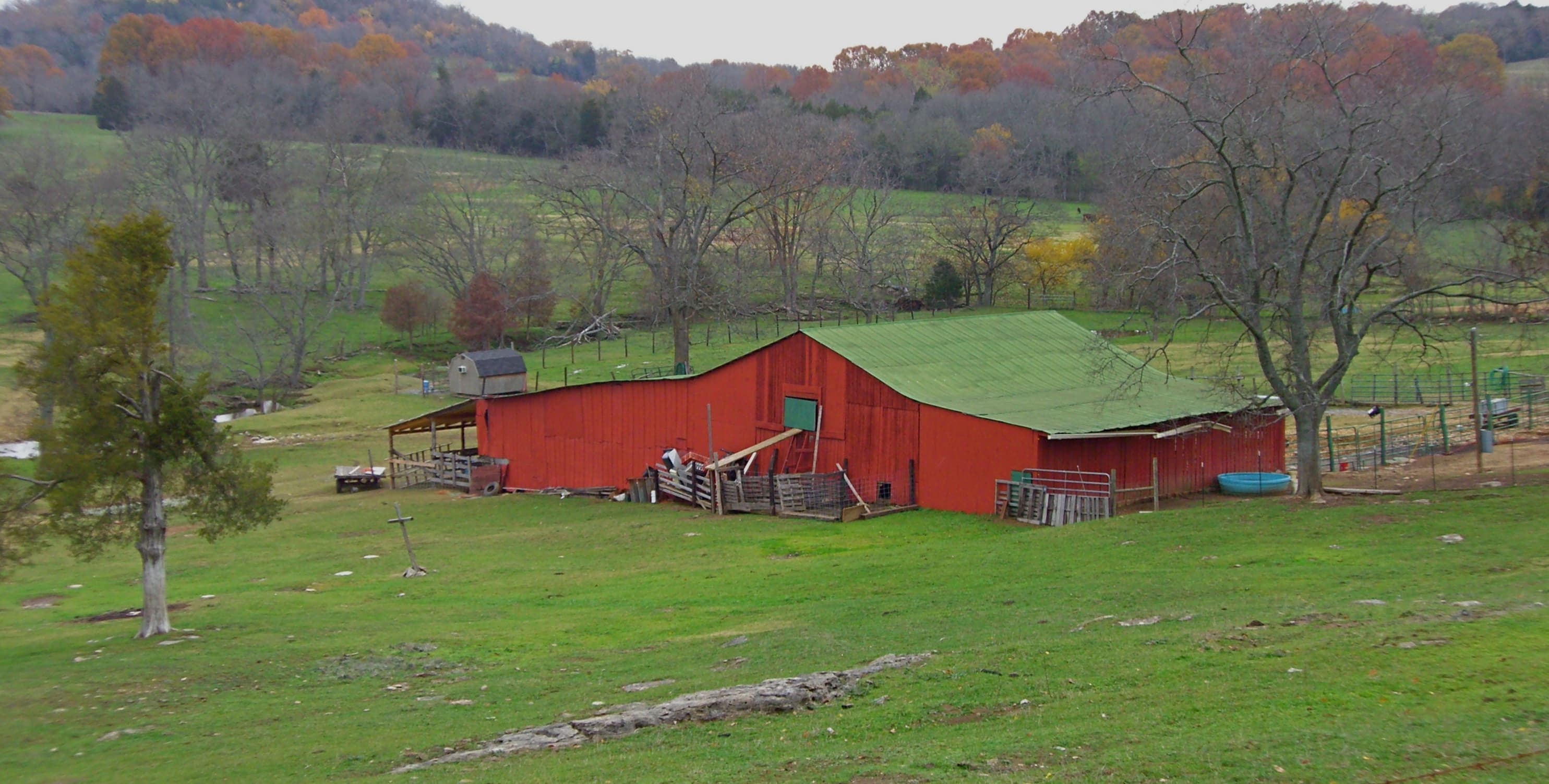
The county is known for equestrian properties. Areas around Arrington, Leiper's Fork, Nolensville, and Franklin have concentrations of horse farms with pastures, barns, and riding trails. Many of these communities have deed restrictions that govern the number of horses per lot, architectural standards, and trail use. Always request a full title search and review any recorded covenants before closing.
Zoning: Understand the East-West Divide
Williamson County adopted a county-wide zoning ordinance in 2013, so unlike many rural Tennessee counties, unzoned land is not an option here. The regulations create an important distinction between the eastern and western halves of the county.
The eastern portion is predominantly zoned RD-1 (Rural Development 1), which allows one residential unit per acre. The western portion, which has more rugged topography and less infrastructure, is mostly zoned RD-5 (Rural Development 5), allowing one unit per five acres. If you are considering subdividing or developing a parcel for multiple uses, the RD-5 designation significantly limits density and requires meeting specific access easement standards for any land splits.
The county's zoning ordinance is updated periodically. Before purchasing, pull the current zoning designation from the Williamson County Planning and Zoning department and verify that your intended use is permitted in that district. Projects have stalled for years over road access requirements in RD-5 zones, so confirm the access situation early in your due diligence.
Flood Zones: Know Your Waterways
The Harpeth River is the county's primary waterway, and its tributaries touch almost every corner of the map. Flood stage on the Harpeth at Franklin is 30 feet, and that level is commonly reached after two to four inches of rain. Additional waterways including the Little Harpeth River, Mill Creek, Turnbull Creek, and the Duck River in the Spring Hill area all create flood exposure across the county.
FEMA designates flood-prone parcels as Zone AE (Special Flood Hazard Area with base flood elevations established) or Zone A (SFHA without detailed elevation data). Properties in either zone require flood insurance if financed through a federally backed lender, and development in the floodplain faces significant restrictions.
Before writing an offer, pull the parcel's FEMA flood zone status from the FEMA Map Service Center or ask the county floodplain administrator for a letter of map determination. If the property sits in a Zone AE, budget for flood insurance premiums and factor floodplain restrictions into your site planning. See our Tennessee flood zones explainer for what each zone designation actually allows.
Soil and Septic: Budget Extra Time for Approvals
Most of Williamson County is not served by public sewer outside of Franklin and the larger incorporated municipalities, so onsite septic systems are the default for rural properties. Septic feasibility depends on soil type, depth to bedrock, and groundwater levels, and the county has its own regulations governing onsite sewage disposal that layer on top of the state TDEC rules.
The soil evaluation process typically involves a perc test or a detailed soil profile analysis. If the soil's minutes-per-inch (MPI) rating exceeds approximately 75, a formal percolation test is required. Soils with poor drainage or shallow rock may require an engineered system such as a mound system or aerobic treatment unit, both of which are substantially more expensive than a conventional system and require longer permitting timelines.
Standard septic approval in Williamson County takes 4 to 12 weeks. Engineered systems can take 8 to 16 weeks or more. If the parcel has never had a septic evaluation, always make the purchase contingent on a satisfactory soil evaluation before closing. A failed perc test can leave you with undevelopable land.
Utilities: Electric, Water, and Broadband
Electric power: Two electric cooperatives serve rural Williamson County. Middle Tennessee Electric Membership Corporation (MTE) covers the majority of the county, including areas south of Franklin. Duck River Electric Membership Corporation (DREMC) serves portions of the western and southern edges. Both cooperatives work within the TVA system. If you are buying a vacant tract, contact the relevant co-op to get a cost estimate for extending service to the property before closing.
Water: Public water is available in many parts of the county through the Harpeth Valley Utilities District, the Milcrofton Utility District, and several other smaller utility districts. Coverage is not universal, and some rural parcels will require a well. Have the utility district confirm service availability for the specific parcel address. If a well is needed, budget $8,000 to $20,000 or more depending on depth, and confirm that the soil conditions support a well location that meets required separation distances from any septic system.
Internet: Broadband availability in rural Williamson County varies significantly by location. Parts of Franklin and incorporated areas have cable service, but remote rural tracts are often limited to fixed wireless or satellite options like Starlink. Check the FCC Broadband Map for the specific parcel coordinates and plan for satellite internet as a fallback if fiber or cable service is not available.
Property Taxes and Greenbelt
Williamson County's effective property tax rate is approximately 0.56 percent of assessed fair market value, which is modest by national standards but, applied to $95,000-per-acre land prices, adds up quickly. A 50-acre parcel valued at $4.75 million would carry roughly $26,600 in annual taxes without any exemption.
Tennessee's Greenbelt program (the Agricultural, Forest, and Open Space Land Act of 1976) offers significant relief for qualifying agricultural or forestland. Greenbelt classification reduces the assessed value to the land's value in its current use rather than its market value, typically cutting the tax bill by 80 to 90 percent. To qualify, the land generally needs to demonstrate a minimum average annual gross farm income of $1,500 over any three consecutive years, or meet the forest land criteria. Applications are due March 15 of the year you are seeking classification.
One important caveat: if Greenbelt-classified land is later converted to non-agricultural use, rollback taxes covering the previous three to five years of savings become due. Confirm the Greenbelt status of any parcel you buy and understand the rollback implications before planning any development.
Road Access and Due Diligence Checklist
Road access in rural Williamson County deserves careful scrutiny. The zoning ordinance requires specific access standards for property splits, and several landowners have faced years of delay trying to subdivide because their road access did not meet county requirements. Verify the following before closing:
- The parcel has deeded road frontage or a recorded access easement to a county-maintained road
- The access easement is wide enough to meet zoning requirements for the intended use
- The road serving the property is maintained by the county highway department, not just by custom or neighborly agreement
- There are no unresolved encumbrances or competing claims on the access route
Beyond road access, a complete due diligence package for Williamson County land should include a current survey, a title commitment with full exception review, a septic evaluation, a flood zone determination, a utility service confirmation, and a review of any recorded covenants or deed restrictions.
If you're considering a Williamson County listing at $100k+ per acre, you cannot afford to spend a Saturday on a parcel that turns out to have an unbuildable septic site or a creek-corner Zone AE problem. A LandWise report on the parcel returns the FEMA flood zone breakdown (per-zone percentage), SSURGO soil series with septic feasibility flagged as suitable/marginal/unsuitable, mean and max slope, distance to the nearest road plus a touchesRoad flag, and distance to the nearest power line. For Williamson County specifically, the soil + flood pair is what kills most deals. The report doesn't replace a TDEC soil evaluation or an attorney's title work; it tells you whether commissioning either is worth your money.
What we'd actually do first
The order matters because Williamson is the rare Tennessee county where the cheap calls actually save you serious money. Before paying for a survey, soil evaluation, or attorney work: (1) pull the FEMA flood zone breakdown for the parcel ID, (2) call the Williamson County Planning and Zoning office to confirm whether the parcel is RD-1 or RD-5 and what that allows, and (3) call the Williamson County Assessor of Property to ask whether the parcel currently carries Greenbelt classification and, if so, when it was last reassessed. The Greenbelt question is the one most buyers don't think to ask early; if the seller is operating under Greenbelt and you intend to develop, you'll inherit the rollback liability for the prior three to five years.
Only after those three calls is it worth ordering a soil evaluation, getting an MTE or DREMC line-extension quote, and engaging a real estate attorney to review covenants. For tracts you intend to keep agricultural, see our Tennessee property taxes for vacant land guide for the Greenbelt application timing (March 15 deadline) and what "current use value" means in practice.