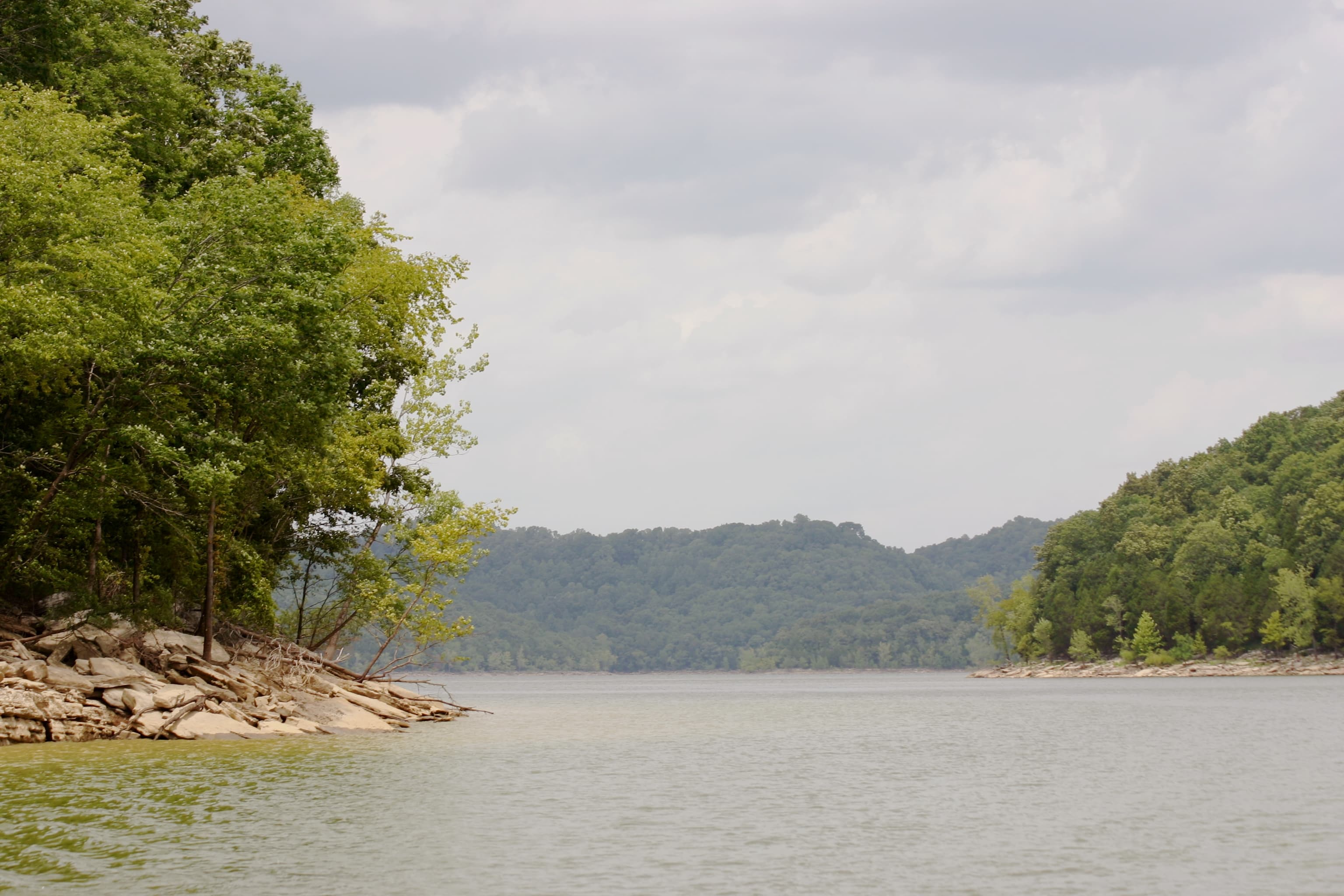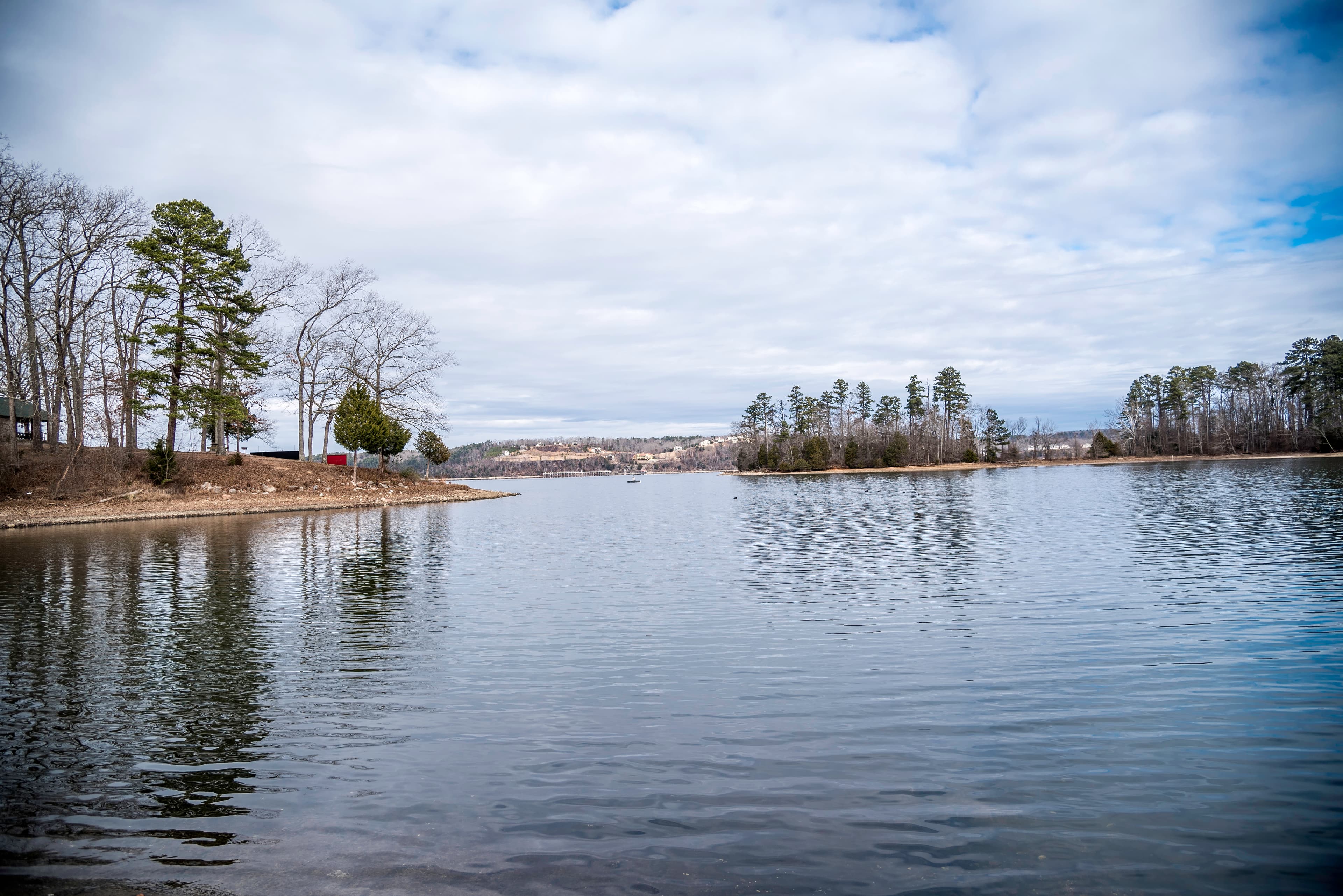
TVA's Normandy Dam, sitting on the Duck River at the Coffee-Bedford county line, was completed in 1976 and backed 17 miles of river valley into a reservoir with 72 miles of shoreline. If you're shopping for land in Coffee County, that dam shapes what you can build near the water, who controls the ground beneath any dock, and why some shoreline parcels are worth materially more than they look on a listing sheet.
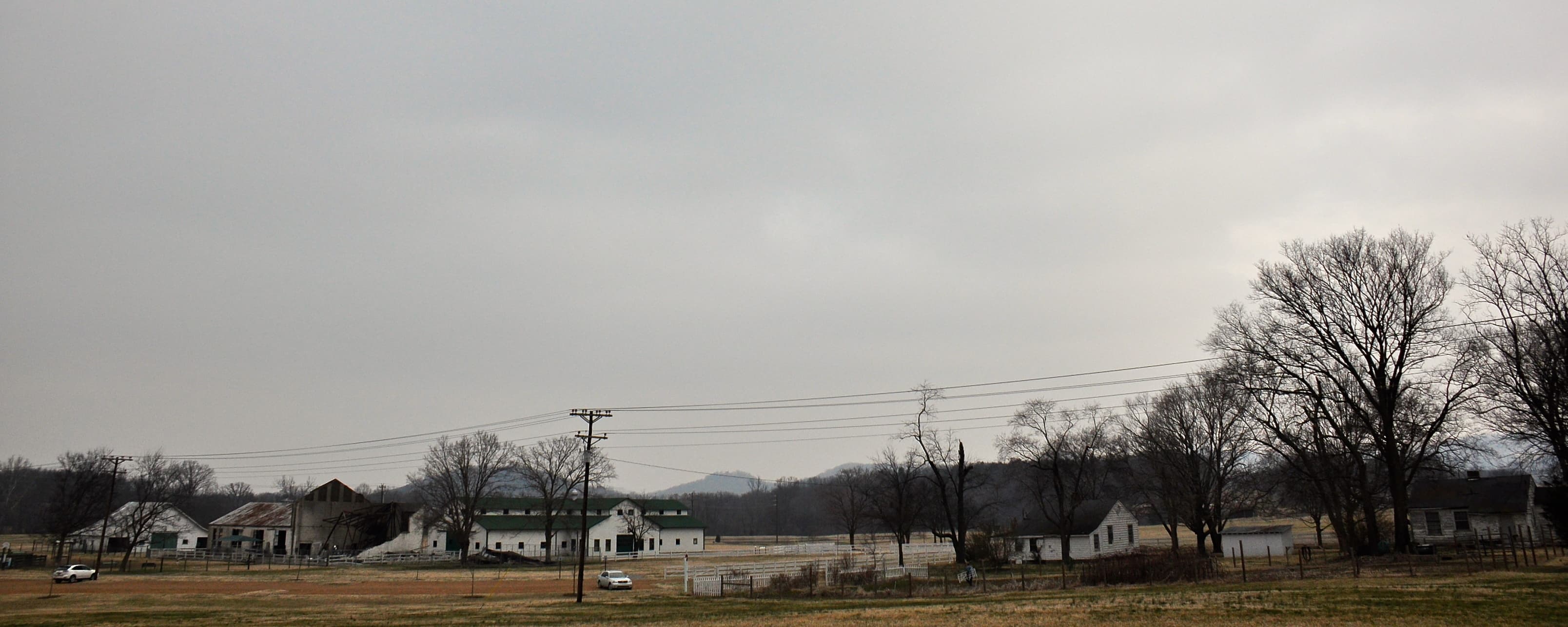
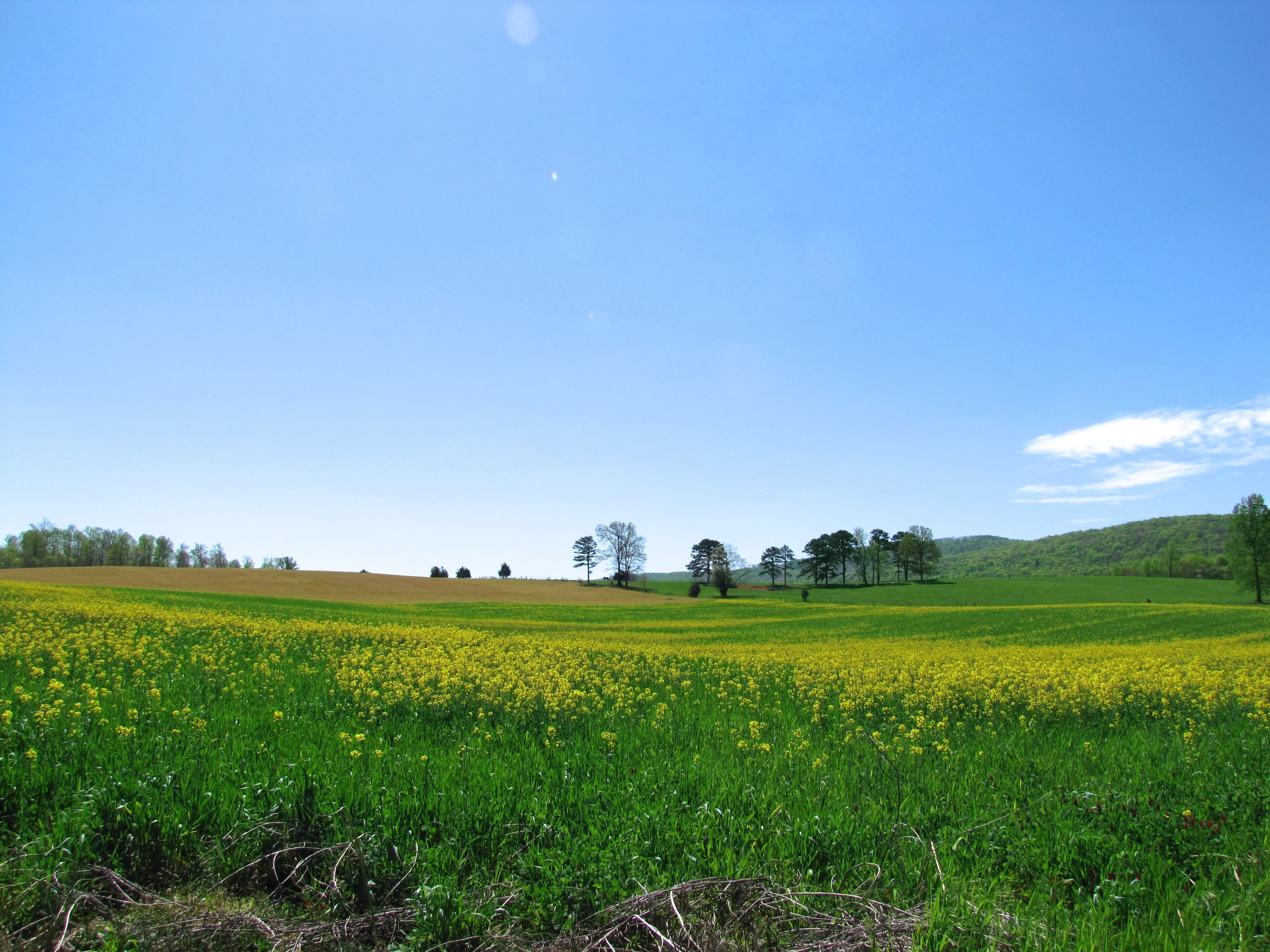
Coffee County sits roughly 65 miles south of Nashville, with Manchester as the county seat and Tullahoma about 12 miles to the west. The county is primarily agricultural and forested, with rolling Highland Rim terrain, the Duck River corridor, and, to the southwest, the sprawling grounds of Arnold Air Force Base. It's a quieter land market than the counties directly surrounding Nashville, but it draws enough out-of-area buyers that you should know the specific rules before you start making offers.
Normandy Lake and TVA's Role
Normandy Reservoir covers roughly 3,048 acres of water surface. TVA owns approximately 4,797 acres of surrounding land in 30 discrete parcels. Unlike most TVA reservoirs built across the same era, Normandy Dam generates no hydroelectric power; it was built purely for flood control and recreation, which affects how TVA manages the surrounding land.
For buyers, the TVA ownership creates a layer of regulation on any parcel that borders the reservoir. Under Section 26a of the TVA Act, any structure on or near TVA-controlled shoreline requires a TVA permit before construction: docks, piers, boathouses, retaining walls, riprap, shoreline stabilization work. These are revocable permits, not permanent easements. TVA can require modifications or removal.
Beyond the permit requirement, TVA assigns zone classifications to the land adjacent to Normandy Reservoir. Zone 7 (Shoreline Access) frontage qualifies for a dock permit. Zone 3 (Sensitive Resource Management) and Zone 4 (Natural Resource Conservation) frontage do not, regardless of what a seller says or what a listing photo suggests. The distinction is significant; a Zone 4 waterfront parcel that can never have dock access is priced and used very differently from a Zone 7 parcel with full dock rights.
Before writing an offer on any Normandy waterfront parcel, request the zone classification from TVA directly. If you're trying to understand the actual buildable footprint of a shoreline parcel and whether the high ground sits above the 100-year floodplain, LandWise intersects parcel boundaries with TVA land zones and NFHL flood data, reporting per-zone coverage percentages, the SFHA designation, and base flood elevation where available. That gives you a picture of what's actually developable before the inspection phase.
The 2025 A-1 Zoning Change
Coffee County has county-wide zoning for unincorporated areas. In 2025, the county commission adopted a significant amendment: the minimum lot size in A-1 (Agricultural) zones increased from 1 acre to 5 acres. The RS-1 (Residential) zone minimum moved from 0.8 acres to 1 acre in the same package.
The practical impact hits buyers who are counting on subdivision potential. A 20-acre A-1 tract that could previously yield 15 to 18 buildable lots now yields at most four under the new standard. There are two key exceptions: parcels within designated urban growth boundaries around Manchester and Tullahoma remain under different standards, and a family-transfer clause allows conveyance of smaller parcels to direct heirs without triggering the 5-acre minimum.
If you're evaluating a larger tract with a subdivision plan in mind, confirm with Coffee County Codes Compliance (1329 McArthur Street, Suite 2, Manchester; 931-723-4841) exactly where the urban growth boundary line falls before assuming a particular cut pattern is legal. Manchester and Tullahoma city limits operate under separate municipal zoning ordinances, distinct from the county's rules.
Arnold Air Force Base: What Nearby Buyers Should Know
Arnold Air Force Base, home to the Arnold Engineering Development Complex (AEDC), straddles the Coffee-Franklin county line adjacent to Tullahoma. AEDC is the largest aerospace testing facility in the world, and it is an active federal installation. Civilian land is not restricted around the perimeter in the way that some military installations control adjacent development, but parcels immediately south and southwest of Tullahoma can experience jet and rocket engine test noise during operations.
For buyers primarily interested in agricultural use or timber, this is unlikely to affect daily life. For buyers who want genuine rural quiet, it's worth spending time near a south Tullahoma parcel during business hours before committing. TWRA manages a wildlife management area on AEDC land, with portions open to hunting under regulations specific to the AEDC WMA.
Utilities in Unincorporated Coffee County
Duck River Electric Membership Corporation (DREMC) serves most of rural Coffee County and Manchester. Founded in 1936, DREMC is a nonprofit cooperative and TVA distributor with about 73,000 customer connections across several Middle Tennessee counties. Tullahoma is served by Tullahoma Utilities Authority, a municipal provider with its own service territory.
For parcels that need a new power line extension, the distance from the nearest energized line is the dominant cost driver. Extensions within a few hundred meters of existing infrastructure typically run $5,000-$15,000; longer runs across difficult terrain can push past $25,000. For a detailed breakdown of what rural power extension actually costs in Tennessee, see this guide to rural Tennessee power costs.
Broadband is uneven. DREMC has been extending fiber through its broadband subsidiary in parts of the service territory, but coverage gaps remain on rural Coffee County parcels. Fixed wireless and satellite are realistic options for most properties outside town limits.
Water: rural Coffee County relies on private wells for most of its unincorporated parcels. The Duck River watershed generally has workable groundwater access, but depth and yield vary across the county's terrain. Budget $15,000-$25,000 for a drilled well if a parcel has no existing water source.
Septic and Soil Considerations
Septic permits in Tennessee require TDEC approval under T.C.A. § 68-221-403. Coffee County's soils vary considerably: the Duck River bottomland tends toward heavier clay content with higher seasonal water tables, which can push drain-field designs toward mound or drip-irrigation systems at considerably higher cost. Upland parcels with better-drained soils are generally more forgiving, but there is enough variation parcel to parcel that general rules don't carry far.
If septic feasibility is uncertain on a parcel you're serious about, commission a soil evaluation before you sign a contract rather than making it an inspection contingency. Our guide to perc tests in Tennessee covers what the testing process involves and what a marginal result means for your options.
Property Taxes and Greenbelt
Tennessee assesses residential and farm property at 25% of appraised value. Agricultural and forest tracts of 15 acres or more may qualify for the Greenbelt program under T.C.A. §§ 67-5-1001 through 1050, which taxes qualifying land on use value rather than market value. Open space parcels as small as 3 acres can also qualify. On a large wooded tract, the savings compared to market-value assessment can be substantial.
One caution when buying an existing Greenbelt parcel: convert the land to a non-qualifying use and you owe rollback taxes covering the prior three years. That liability runs with the property, not the seller, so confirm the Greenbelt status and any associated use restrictions in the purchase agreement. The deadline to file or renew Greenbelt applications is March 15 each year with the Coffee County Assessor's office.
Road Access in Rural Coffee County
Many rural parcels in Coffee County are accessed by roads that were never formally accepted into the county-maintained system. Private road access requires a maintenance agreement recorded in the deed. Parcels without any recorded access have legal remedies under Tennessee law, but resolving them takes time and money. Before making an offer on any rural parcel in Coffee County, verify the road's status through the Coffee County Highway Department and confirm that a recorded easement or maintained road serves the property. Our guide to landlocked land in Tennessee covers what to look for and how Tennessee courts handle access disputes.
The TVA zone classification on Normandy waterfront parcels, the 2025 A-1 lot-size change, and road access status are the three things that most frequently catch Coffee County buyers off guard. Get them confirmed before you write a contract.